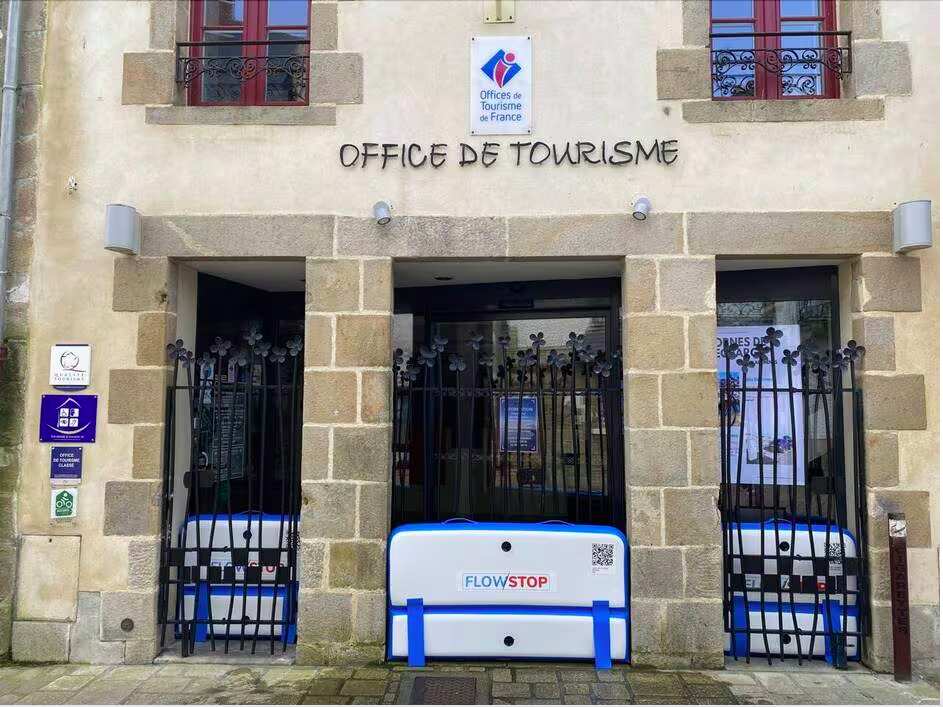


Flood damage costs billions every year. With the rise in extreme weather events, protecting homes and businesses is no longer a hypothetical issue. For most property owners, the crucial choice comes down to two categories: perimeter protection and direct protection. Those who opt for direct protection face a further choice: rigid barriers (metal, plastic or wooden panels) and inflatable barriers (deployable systems pressurised with air or water). Here is a factual analysis of how they compare.
The Global Shift Toward Modern Barriers
The flood barrier market has grown tremendously these past few years and is projected to keep growing even more by 2030. This growth is largely driven by demand for lightweight, rapidly deployable, and modular systems, which are a direct response to the limitations of traditional rigid infrastructure. Rigid barriers have protected communities for decades, but they come with significant trade-offs in cost, flexibility, and deployment speed.
Watertightness: flexibility prevails on uneven surfaces
One of the most documented limitations of rigid barriers is their reliance on perfectly flat surfaces. Metal panels require flawless ground contact to be watertight. However, in reality, pavements crack, door frames warp, and floors are rarely level.
Inflatable barriers work differently: the internal pressure (air or water) allows the material to mould to the exact contours of the surface, including uneven floors or sloping thresholds. This adaptive seal is a major technical advantage. As the water rises, hydrostatic pressure can actually reinforce the seal of water-filled systems, rather than compromise it.

Impact resistance: rigid versus resilient
A rigid barrier transfers the energy of an impact directly into its structure. A heavy blow caused by debris (branches, displaced equipment) can deform a metal panel. Because metal does not return to its original shape, these deformations often break the seal at the worst possible moment. Once bent, a rigid panel usually needs to be entirely replaced.
Conversely, inflatable barriers act like shock absorbers: they absorb the force of the impact and then return to their original shape without structural damage. In the rare event of a puncture from very sharp debris, the resilient material can be easily repaired on-site, immediately restoring the barrier to its full strength.

Deployment speed: an important factor in emergencies
Time is the scarcest resource during a flood. Metal barriers often require multiple people, tools, and sometimes permanent anchoring equipment. For large-scale deployments, this logistical burden multiplies.
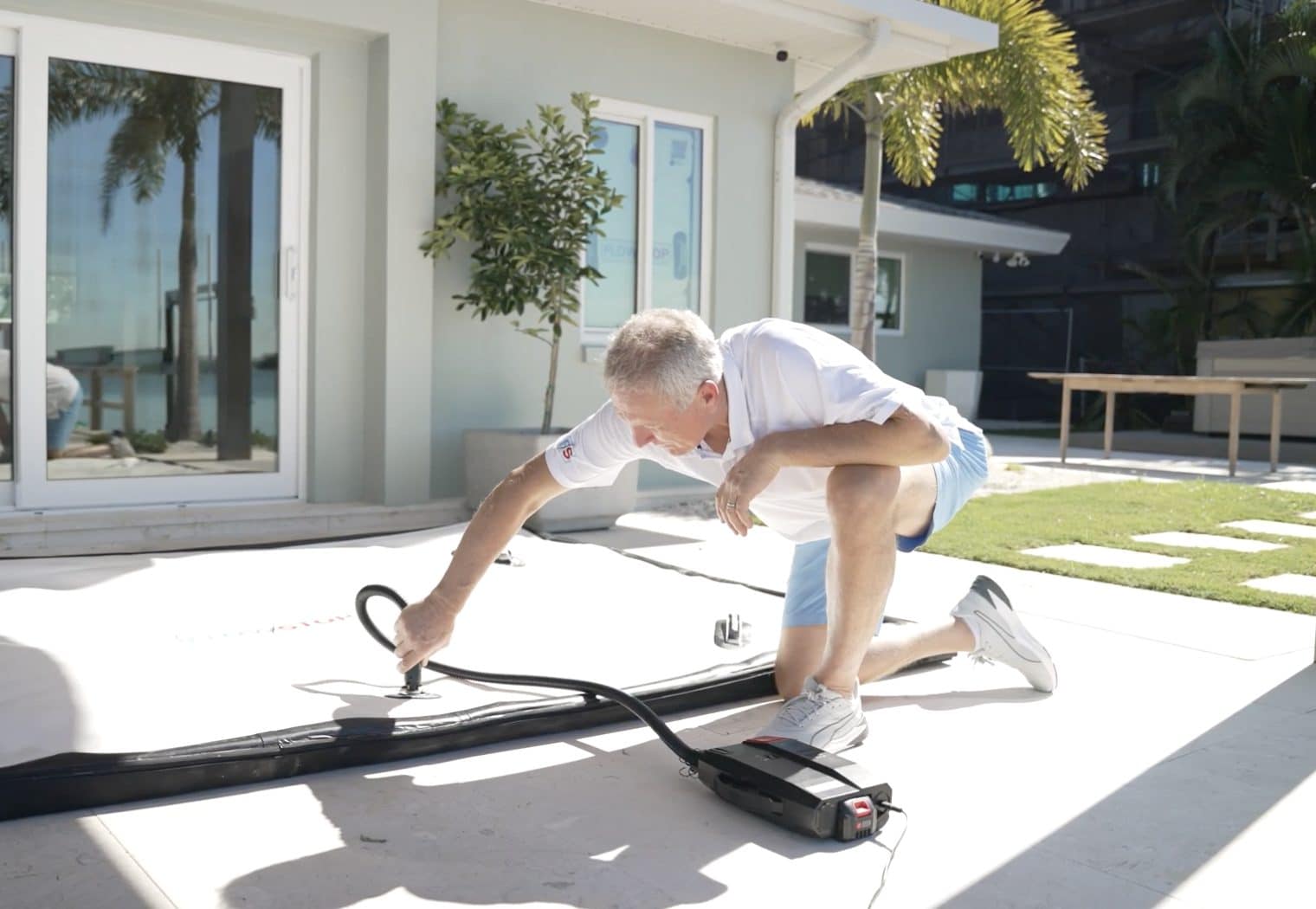
Inflatable systems offer a measurable speed advantage. A manual inflatable barrier can be installed by one person in under 5 minutes, compared to over 4 hours for an equivalent sandbag wall. This speed is vital for local authorities and emergency services managing multiple sites simultaneously.

Safety beyond the flood: the importance of escape routes
Many property owners overlook a crucial factor: evacuation. Traditional rigid barriers can become a hazard in a crisis. Difficult to dismantle without tools, they risk trapping occupants inside or blocking emergency services on the outside. During a flash flood or a fire, these lost minutes could prove fatal.
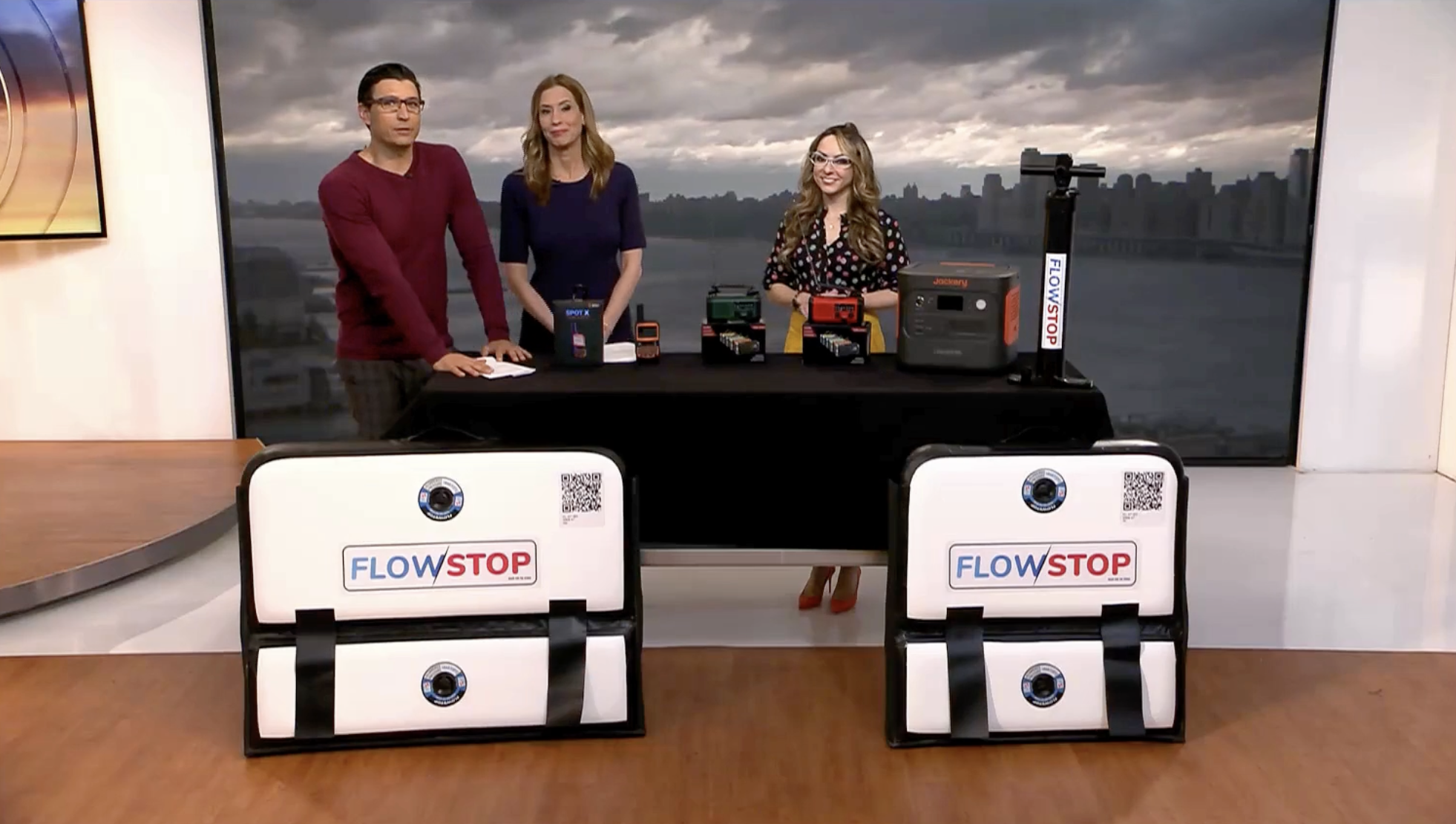
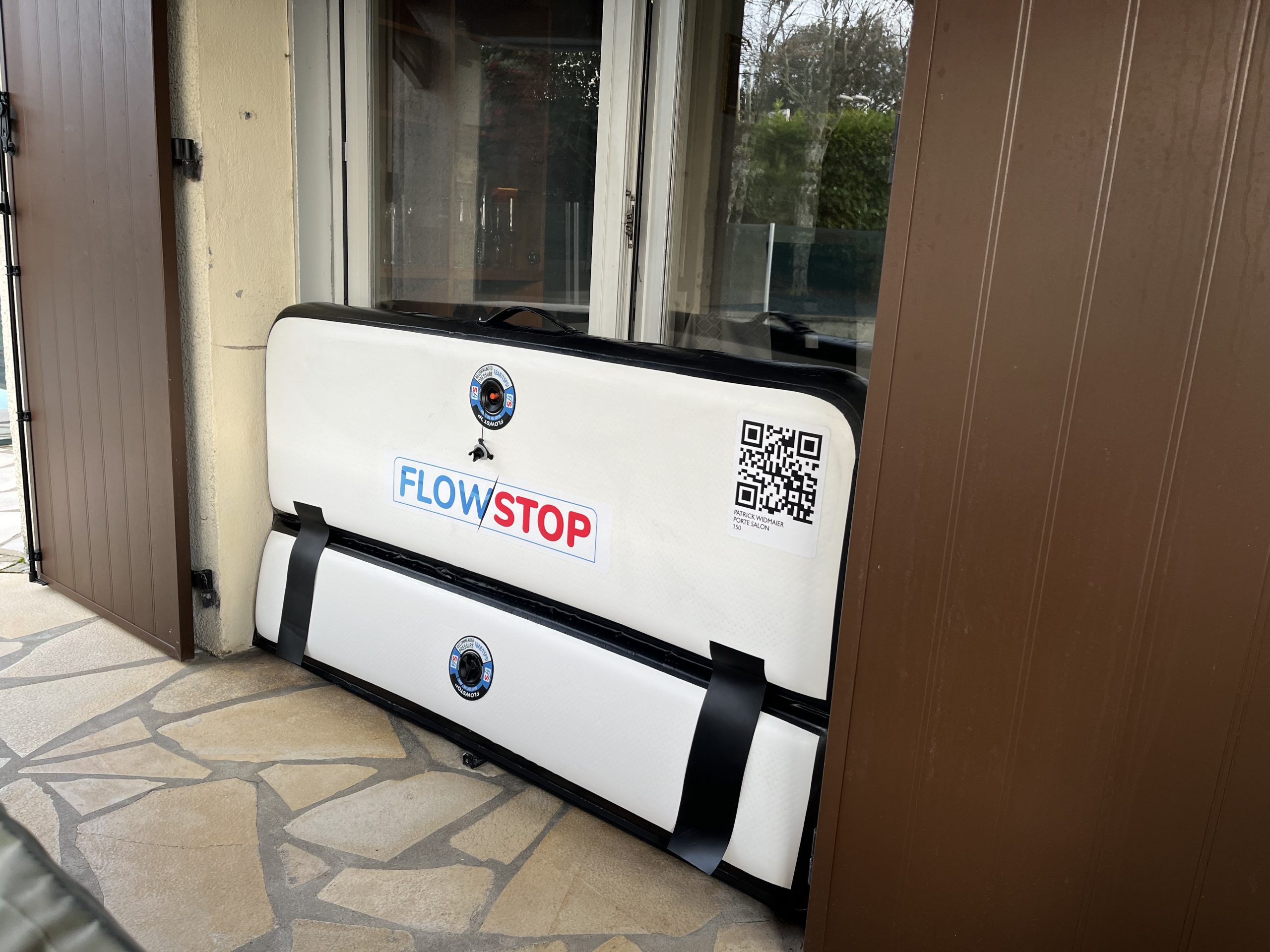
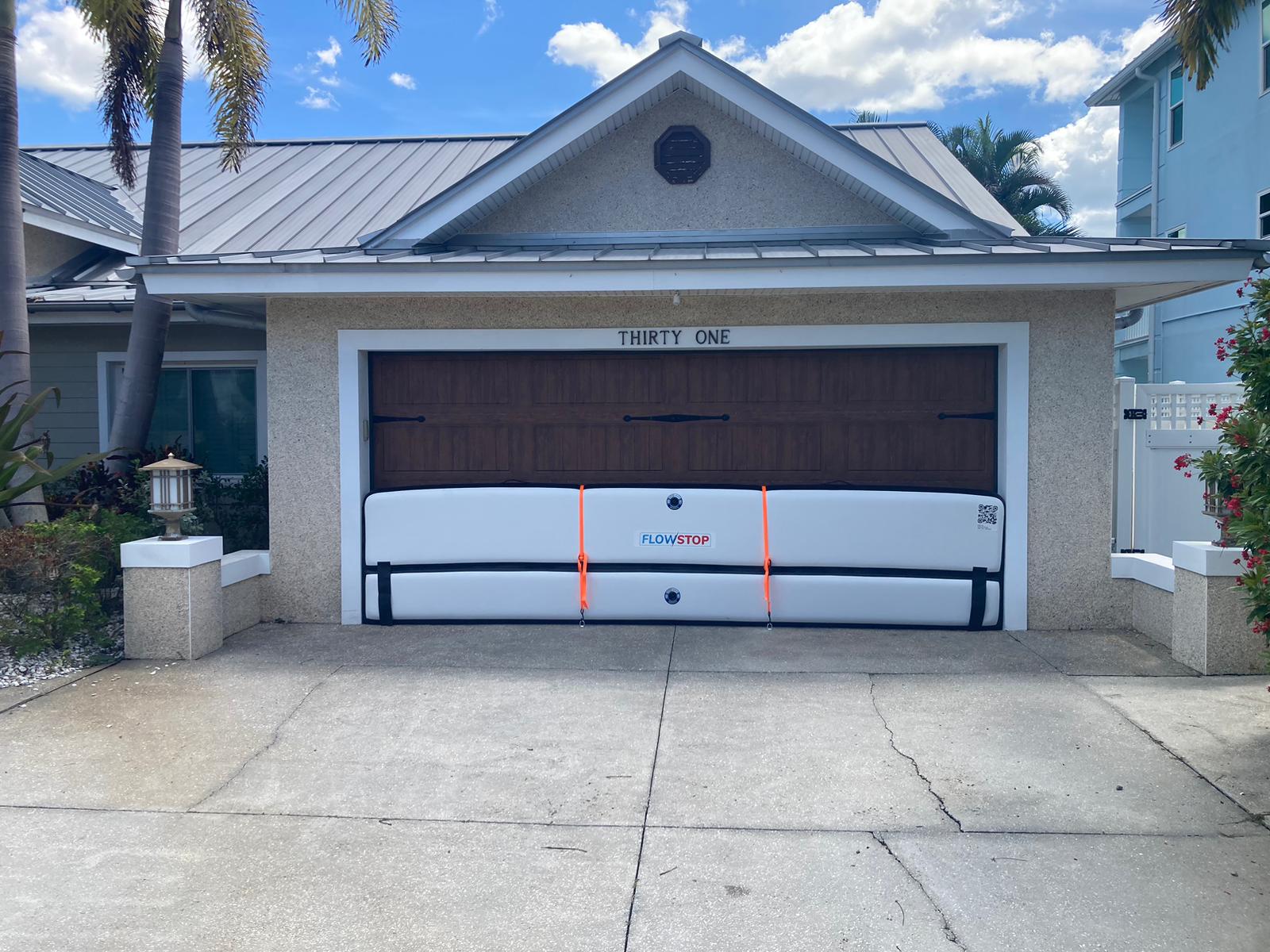
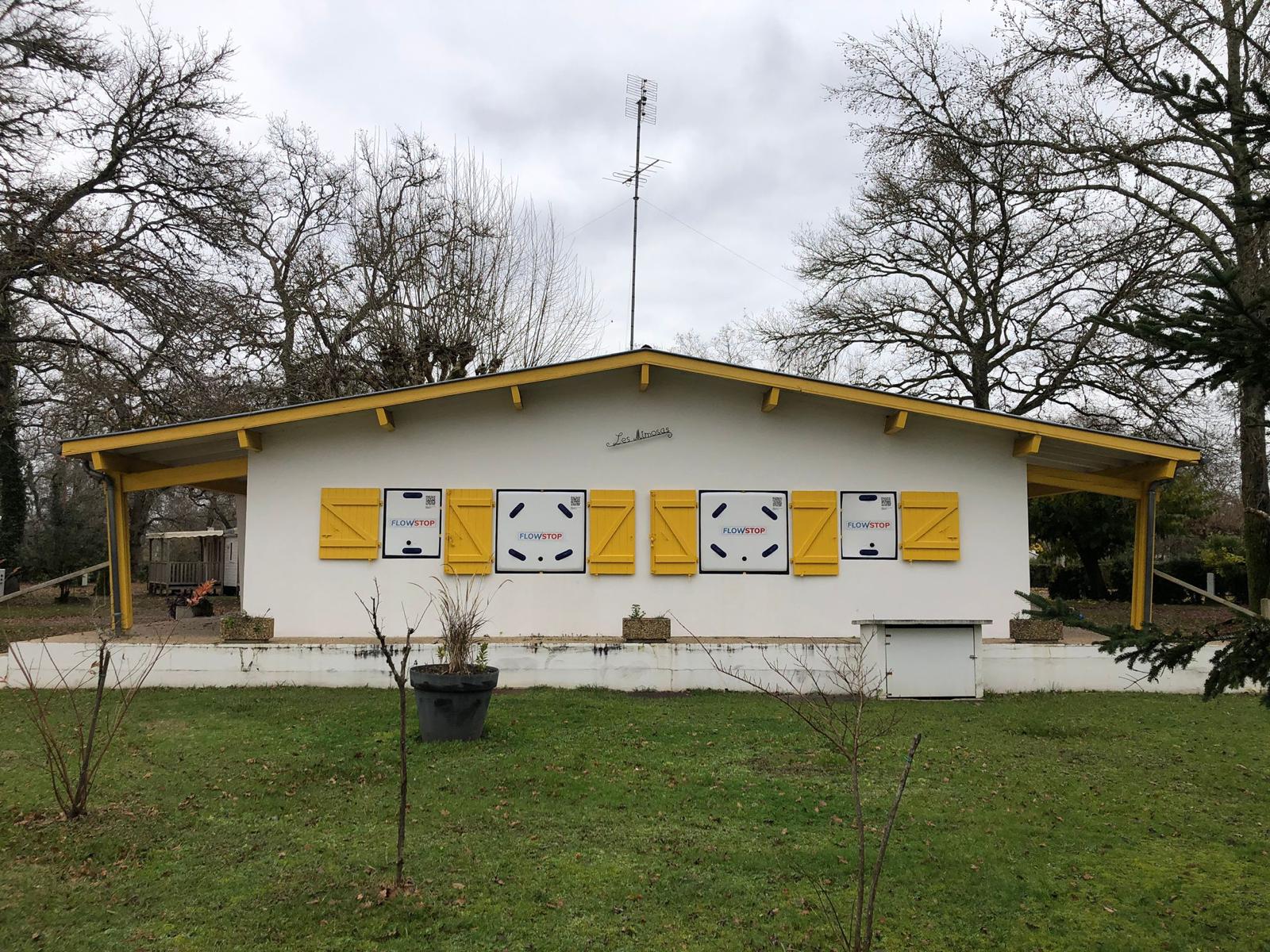
The inflatable design of a barrier like FlowStop prioritises human safety. They deploy in minutes, but crucially, they deflate and can be removed in seconds. This ensures an escape route is always accessible to everyone.

Storage & Logistics
Rigid barriers require significant storage space (warehouses, trailers). For individuals or small businesses, this is often prohibitive. Inflatable barriers, on the other hand, pack down to a fraction of their size once deflated, allowing for easy storage in a garage or the boot of a car.
Limitations to Keep in Mind
No flood barrier is a one-size-fits-all solution. When choosing between rigid and inflatable systems, there are a few important points to consider:
- Permanent vs temporary use: Inflatable solutions are designed for temporary deployment and are not intended for permanent installation or extended use over long periods.
- Climate conditions: Inflatable barriers perform well across a wide range of temperatures, but water-filled systems used in freezing conditions require particular precautions.
- Regulatory compliance: It is always advisable to check independent test results before making a purchase.

Which Barrier Type Is Right for You? 👇
|
Criteria |
Rigid Barriers |
Inflatable Barriers |
|
Uneven surface seal 📏 |
Poor ❌ |
Excellent ✅ |
|
Impact resistance 💥 |
Low (dents, breaks seal) ❌ |
High (absorbs & rebounds) ✅ |
|
Deployment speed ⏱️ |
Slow (2+ people, tools) ❌ |
Fast (1 person, no tools) ✅ |
|
Storage footprint 📦 |
Large ❌ |
Compact ✅ |
|
Upfront cost 💸 |
High ❌ |
Moderate 🆗 |
|
Good for permanent installation 🛠️ |
High ✅ |
Low ❌ |
For most residential and small commercial applications, inflatable barriers offer an unbeatable combination of speed, adaptability, and cost-effectiveness. If you would like expert advice on protecting your property, the FlowStop team is here to help.